Modal Title


Dry eye is a common, chronic ocular condition that occurs when your eyes do not make enough tears or when the tears dry up too quickly. This can lead to discomfort, irritation, redness and blurry vision which can eventually result in the surface of the eye becoming damaged. Early detection and a clear understanding of the symptoms both play an important role in maintaining your eye’s health and comfort.
Detecting dry eye disease early is the best way to prevent the condition from worsening or progressing. Getting to the root cause and pinpointing the source of the symptoms greatly improves the patient's outcome. Tracking these symptoms will guide the doctor in customizing your dry eye therapy. Catching progressive damage early prevents conditions such as chronic infections, corneal ulcers or permanent vision loss.
Tear lab is a quick and non-invasive diagnostic tool used to measure osmolarity (the salt concentration) of your tears, which is an indicator of tear film stability. The quality and quantity of your tears will be evaluated to help diagnose and monitor dry eyes.
Inflammadry is an advanced diagnostic test used to detect the presence of Matrix Metalloproteinase-9 (MMP-9), an inflammatory enzyme found in human tears. A gentle fabric collects tears from the lower lid which helps to identify ocular surface inflammation associated with dry eye disease.
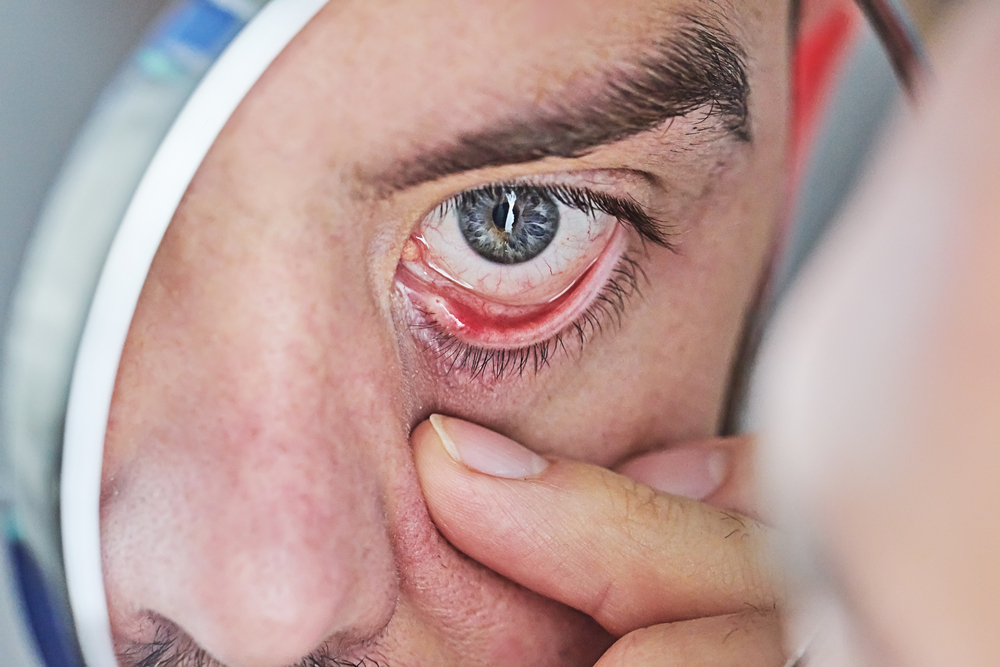
Meibomian gland dysfunction (MGD) is a very common cause of dry eye disease. Meibomian glands are located along the edges of the eyelids. These glands secrete oil that keeps tears from evaporating too fast. MGD occurs when the meibomian glands do not produce the quantity or quality of oil needed to prevent your eyes from drying out. Gland blockage or dysfunction causes the tear film to become unstable leading to dry eye symptoms. Meibography (meibomian gland imaging) is a specialized non-invasive imaging technique that uses infrared lighting to illuminate the connective tissue under the eyelid. The upper or lower eyelids are flipped to expose the oil producing meibomian glands. The images then reveal structural abnormalities. The doctor will track the photographs over time to evaluate if dry eye therapies are successfully mitigating further damage.
Advanced diagnostic testing for dry eye goes beyond a routine eye examination. Specialized diagnostic technology is used to determine tear quality, tear evaporation rates and overall health of the oil glands. Depending on your specific symptoms, your doctor will identify contributing factors then tailoring your care plan to your personal and unique needs. Targeted procedures will be incorporated to clear blocked oil glands. For example; warm compresses, lubricating eye drops, tear production stimulators or IPL (Intense Pulsed Light) or RF (Radiofrequency).
Please contact our office to schedule an appointment if you are experiencing symptoms of dry eye or if you have any questions about advanced dry eye diagnostic testing. We look forward to tailoring a specified treatment plan for you.
A. A dry eye exam is important to diagnose conditions early and treat them before they progress. During the exam the doctor will evaluate your symptoms checking for redness, irritation, and tear quality. Our advanced dry eye exam includes Schirmer testing, tear breakup time, and meibomian gland imaging to identify underlying causes of dry eye and guide appropriate treatment.
A. Symptoms that you should keep tabs on include; dryness, irritation, blurriness, gritty eyes, stinging sensation, discharge, eye fatigue, contact lens discomfort and light sensitivity. If you are experiencing any of these symptoms we highly recommend that you schedule a dry eye examination.
A. Dry eye diagnostic testing begins with a questionnaire to review the symptoms that you are experiencing. Your doctor will ask about your rates of discomfort and environmental triggers. The next step involves non-invasive testing such as Meibomian gland imaging, tear production evaluation and an assessment of your eyelids, glands, cornea and conjunctiva (the thin membrane covering the white of the eyes).
A. Absolutely! The underlying cause and severity of your symptoms can be pinpointed during a comprehensive dry eye exam to help determine the appropriate course of treatment such as prescription eye drops, Omega supplements, lid hygiene, warm compresses, punctal plugs and or in office procedures such as IPL or RF.
A. You can contact our office at 267-297-7723 and one of our friendly staff members will assist you in scheduling your dry eye exam. We offer convenient appointment times as well as online scheduling.

Discover personalized eye care excellence with our comprehensive services. From eye exams to advanced diagnostics, trust us for all your vision needs.

For non-urgent questions or to learn more about our services, contact us today!
© 2026 Chestnut Hill Eye Associates. All rights Reserved - Accessibility Statement - Privacy Policy - Sitemap
Managed and Designed by 
