Modal Title

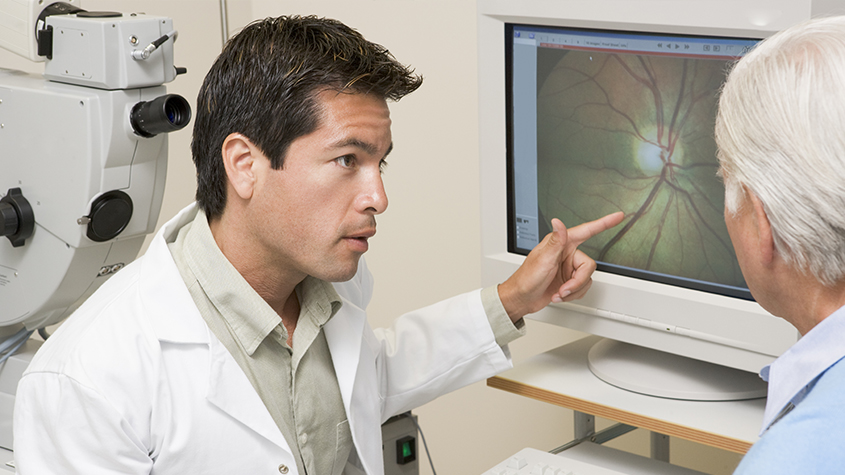
Diabetes is a metabolic disorder that occurs when the body is no longer able to regulate its own blood sugar levels requiring intervention to keep the levels stable. This is one of the most chronic health conditions in the United States impacting an estimated 100 million adults that are currently living with diabetes or pre diabetes. We know that diabetes can have serious overall health consequences specifically including vision loss and or impairment caused by a condition known as diabetic retinopathy. Prompt treatment is absolutely crucial in order to avoid permanent vision loss which is why we always advocate for our diabetic patients to come in and get examined on a regular basis.
Diabetic retinopathy is an eye condition linked to type 1 and type 2 diabetes that can cause blindness in people who have diabetes. When blood sugar levels are high the small vessels in the retina become damaged, which in turn can affect your vision. Over time the damage from continuously high blood sugar can cause a leak of blood and other fluids into the retina which then leads to scarring that will compromise your vision. Alongside managing your blood sugar, seeing your eye care provider for regular eye exams is the best line of defense to protect your vision.
Anyone that suffers from diabetes is considered at risk for developing diabetic retinopathy. However, the condition is more likely to develop under certain circumstances such as the following:
- Hypertension: Elevated blood pressure levels force blood through vessels that are already fragile leading to leaks and ruptures. When the vessels become damaged they leak fluid into the macula causing swelling and blurry vision, this is known as macular edema. Another concern with high pressure levels is the potential for vessel blockages caused when stiffened arteries pinch neighboring veins. When vessels are blocked, the growth of new and weak blood vessels that can bleed easily and cause severe vision blockage or retinal detachment. In general high blood pressure doubles the risk of severe vision damage thus accelerating the progression of diabetic retinopathy.
- Uncontrolled Blood Sugar Levels: Over time, the blood vessels in the retina become damaged when sugar levels are not controlled. Excess glucose alters and weakens the structure of blood vessels.
- A History of Diabetes: The longer you have diabetes the higher your chance of developing diabetic retinopathy becomes.
- High Cholesterol Levels: When cholesterol levels are high, vascular breakdown accelerates, causing fatty lipid deposits to leak into the retina then contributing to blood flow clots in the vessels of the retina.
- Pregnancy: Extra stress is placed on the already delicate retinal blood vessels when there are dramatic changes in a woman's physiology such as changes in the cardiovascular system, blood volume and hormones.
- Tobacco use: Smoking reduces oxygen and lowers the amount of nutrients delivered to the retina. Oxidative stress and inflammation damage the vessels in the eye which impairs circulation. Tobacco use increases the risk of leaks as well as the growth of abnormal new vessels. When blood vessels are harmed by this stress, vision loss is accelerated.
It is important to monitor your condition by getting regular eye exams thus ensuring that the signs of diabetic retinopathy are detected and addressed as quickly as possible.
Diabetic eye exam is simple and non-invasive. During your comprehensive eye exam eye drops will be administered to widen your pupils so that the doctor can perform a Dilated Retinal exam and take photos of the back of your eyes. Photos are taken from various angles to ensure that all structures of the retina can be assessed for any abnormalities. You will see a brief and painless flash of light as each photo is taken. After the photos are taken, you will be given a visual acuity test where you will be asked to read the letters from a chart at distance across the room as well as close up. In addition to the physical portion of the exam, your doctor will also perform a health history review to discuss your diabetes management, blood sugar and A1C levels as well as any vision changes that you may have experienced.
After the information has been reviewed, your doctor will inform you if there are any signs of diabetic retinopathy. If diabetic retinopathy is found, your doctor will discuss the best treatment plan and way forward in getting the condition under control. Based on your personal and individual circumstances, the treatment plan may include; controlling your diabetes more effectively with diet and exercise, taking medications or potentially more invasive treatment such as laser to preserve your vision.
If you have any questions about diabetic retinopathy or the process of diabetic eye exams, please feel free to reach out to our office and we will be happy to guide you.
A. The early stages of diabetic related eye disease have no warning signs or symptoms, making the damage silent. Diabetes can damage the retina and lead to vision loss. We always advocate for our Diabetic patients to have regular visits so that we can monitor eye health and identify changes in a timely manner. Early detection can prevent further damage and vision loss.
A. In general, most patients that have diabetes should schedule an annual comprehensive eye exam, however depending on your eye health more frequent visits may be recommended by the doctor.
A. A diabetic eye exam begins with a health history review to go over blood sugar levels, A1C and any vision changes. You will be asked to read letters on a chart to check visual acuity at various distances. Pupils are dilated and the doctor will inspect the retina for damage. Fundus photos are taken with a special high resolution camera to get a good look at the Retina.
A. Early signs of vision problems can be detected during a diabetic eye exam through evaluating the health of your retina, blood vessels and optic nerves. Pupil dilation allows for a wider view of the retina and structural changes can be seen. Splotches, microaneurysms, leakages and swelling can also be detected.
A. You can schedule an appointment by contacting our office at 267-297-7723 and talking to one of our friendly staff, or we offer online appointment scheduling at chestnuthilleye.com. We offer personalized friendly care and convenient appointment times to make the process as easy as possible for our patients.

Discover personalized eye care excellence with our comprehensive services. From eye exams to advanced diagnostics, trust us for all your vision needs.

For non-urgent questions or to learn more about our services, contact us today!
© 2026 Chestnut Hill Eye Associates. All rights Reserved - Accessibility Statement - Privacy Policy - Sitemap
Managed and Designed by 
