Modal Title
Lorem ipsum dolor, sit amet consectetur adipisicing elit. Iusto porro officiis beatae accusantium nam quis soluta? Sapiente in non inventore, explicabo distinctio, nostrum impedit delectus obcaecati corporis officiis, nihil repellendus.

Lorem ipsum dolor, sit amet consectetur adipisicing elit. Iusto porro officiis beatae accusantium nam quis soluta? Sapiente in non inventore, explicabo distinctio, nostrum impedit delectus obcaecati corporis officiis, nihil repellendus.
Blog:OptiLight vs. Traditional Dry Eye Treatments: Which Is Better for MGD?
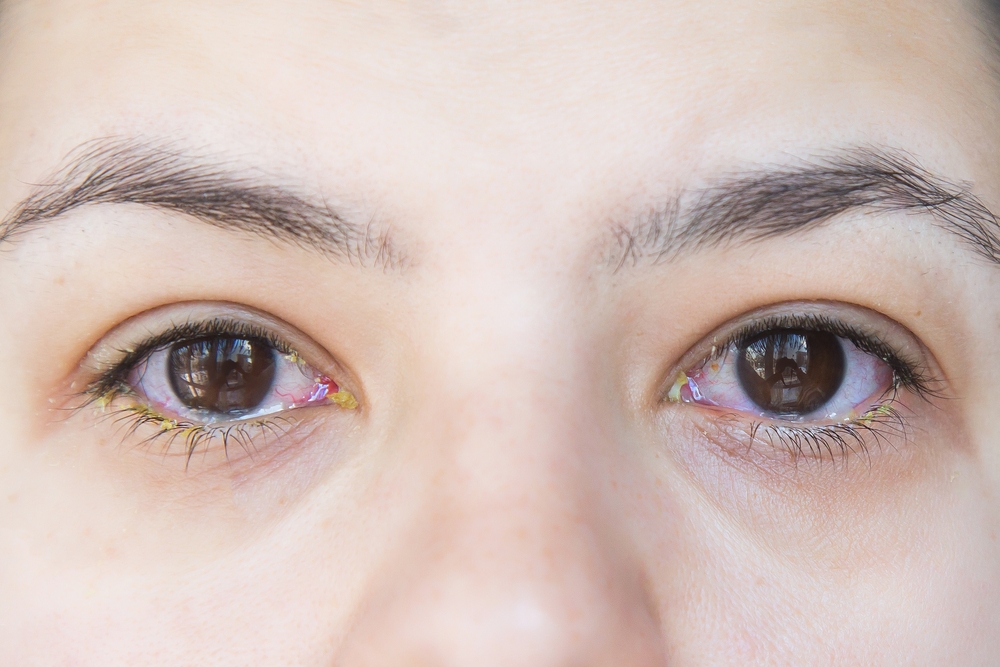
Dry, burning, gritty eyes are often treated with artificial tears or warm compresses. While these options can provide relief, recurring symptoms may point to an underlying problem such as meibomian gland dysfunction, or MGD. At Chestnut Hill Eye Associates in Philadelphia, Dr. Irene Musten, OD, evaluates the source of dry eye symptoms and offers advanced options such as OptiLight IPL for patients with MGD.
The meibomian glands along the eyelids produce oils that help prevent tears from evaporating too quickly. When these glands become blocked or inflamed, the tear film becomes unstable and the eyes can feel dry even when they are producing enough tears.
MGD can also occur alongside blepharitis, an inflammatory condition affecting the eyelids. In some patients, Demodex mites around the eyelashes contribute to eyelid irritation and inflammation. Identifying these underlying factors is important because treating dry eye effectively often requires more than simply adding moisture to the surface of the eye.
Common MGD and dry eye symptoms include:
• Burning, stinging, or gritty sensations
• Red or irritated eyes
• Fluctuating or blurry vision
• Watery eyes that still feel dry
• Eyelid redness or crusting
• Contact lens discomfort
• Sensitivity to light
Artificial tears, warm compresses, eyelid hygiene, and certain prescription medications remain important parts of dry eye care. Warm compresses can help soften thickened oils within the meibomian glands, while eyelid cleansing can reduce debris associated with blepharitis.
These treatments can work well for mild symptoms or as part of a broader care plan. However, frequent use of eye drops alone does not necessarily address inflammation or restore healthy meibomian gland function.
Demodex also requires specific attention. Because these microscopic mites can live within eyelash follicles and contribute to blepharitis, Dr. Musten can evaluate the eyelids and recommend targeted care when mites are part of the problem.
OptiLight IPL is an intense pulsed light treatment designed to address dry eye associated with MGD. Rather than simply adding temporary moisture, OptiLight targets inflammation around the eyes and supports healthier meibomian gland function.
At our Philadelphia dry eye center, OptiLight IPL can be used to reduce inflammation, improve natural oil production, and support a more stable tear film. The treatment is non-invasive and allows us to address an important contributor to evaporative dry eye. For patients who continue experiencing symptoms despite traditional remedies, this targeted approach can make OptiLight an important next step.
There is no single dry eye treatment that is right for everyone. Traditional treatments still have an important role, particularly for daily symptom management and eyelid hygiene. For patients whose dry eye is driven by MGD and inflammation, however, OptiLight IPL provides a more targeted approach than artificial tears alone.
At Chestnut Hill Eye Associates, Dr. Irene Musten evaluates the meibomian glands, eyelids, tear film, blepharitis, and possible Demodex involvement before creating a personalized dry eye treatment plan.
Schedule your dry eye evaluation with Chestnut Hill Eye Associates to discover whether OptiLight IPL can help you move beyond temporary relief and toward healthier, more comfortable eyes. Contact our office in Philadelphia, PA, by calling (267) 297-7723 to book an appointment today.
Flowbite is an open-source library of interactive components built on top of Tailwind CSS including buttons, dropdowns, modals, navbars, and more.
Check out this guide to learn how to get started and start developing websites even faster with components on top of Tailwind CSS.
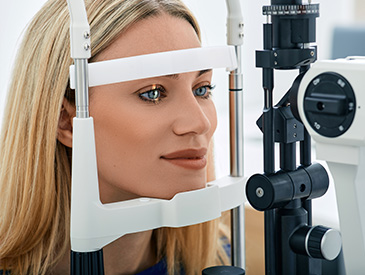
Discover personalized eye care excellence with our comprehensive services. From eye exams to advanced diagnostics, trust us for all your vision needs.

For non-urgent questions or to learn more about our services, contact us today!
© 2026 Chestnut Hill Eye Associates. All rights Reserved - Accessibility Statement - Privacy Policy - Sitemap
Managed and Designed by